
Industrial Machinery & Manufacturing
From Industrial Clay to High Voltage Excellence How Luxi County Transformed Its Electric Porcelain Cluster
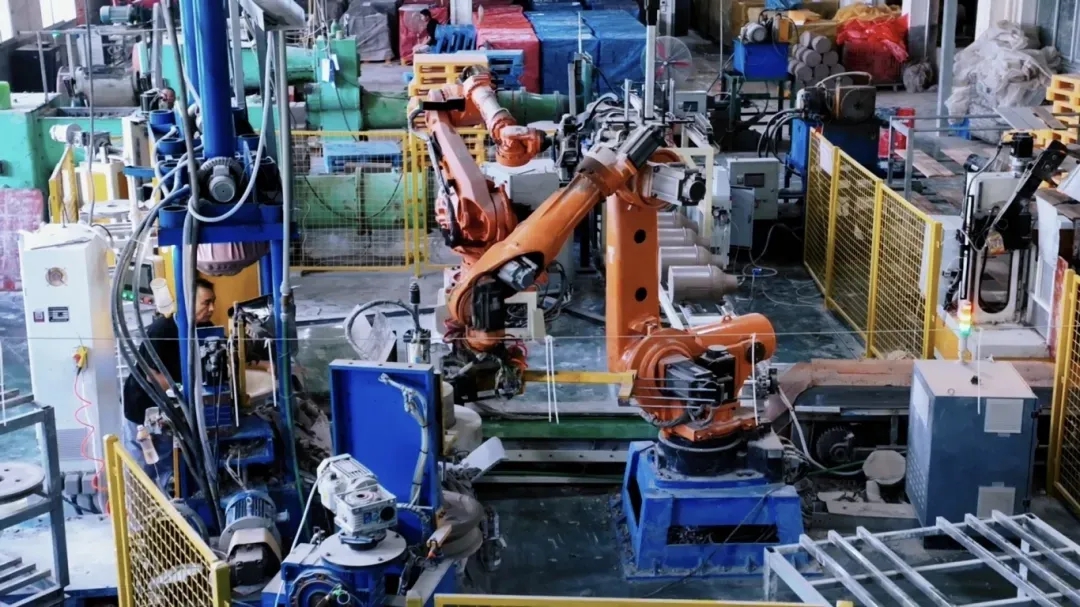
The most remarkable operational shift here lies in the technical breakthroughs managed by the local research institute and private manufacturers. Porcelain insulator components must withstand extreme electrical and mechanical stress across ultra-high-voltage transmission networks spanning 10 kV to ±1100 kV. Historically, inconsistent ceramic clay strength variations of around 25 percent compromised component reliability and limited mass production for high-voltage applications. By solving core material variance issues and cutting component strength variation to under 10 percent, the institute enabled local factories to achieve commercial production of stable ultra-high-voltage units. When automation and AI-driven robotic molding were introduced, product pass rates jumped to 98 to 99 percent while daily throughput increased by nearly 500 percent.
This surge in manufacturing efficiency has directly accelerated export performance across international energy markets. Exports of electric porcelain products reached 381 million yuan in 2025, representing a 79.16 percent year-on-year increase, and continued upward in the first half of 2026 with 226 million yuan in shipments, up 52.15 percent year-on-year. As covered in economic feature reports by media outlets like People's Daily, building a specialized 5,000-mu industrial park and establishing a centralized one-stop trade service platform allowed 178 ecosystem companies employing nearly 30,000 workers to secure over 20 international certifications and manage more than 600 customized product lines efficiently.
Beyond heavy industrial manufacturing, integrating industrial heritage with cultural tourism adds a secondary revenue driver for the region. Rolling out more than 130 creative porcelain products generated over 17 million yuan in retail sales through mid-2026, while interactive kiln tours and educational routes help monetize the county's 120-year industrial legacy. This dual approach protects local employment while insulating the regional economy against single-sector demand fluctuations.
To ensure long-term competitiveness as global energy grids transition toward renewable integration, local stakeholders should continue expanding R&D into lightweight composite and toughened glass insulators. Strengthening patent portfolios beyond the 15 invention patents already filed on their pilot testing platform will shield local manufacturers from international trade friction. Furthermore, expanding digital logistics tracking across their export channels could lower cross-border administrative overhead by another 10 to 15 percent, solidifying Luxi's position as an indispensable node in global power grid supply chains.
News source: https://peoplesdaily.pdnews.cn/china/er/30053071635
Ready to get in the water?
Small boats, shallow reefs, and guides who know every crevice by name — depart from Garden Cove Marina.