
Default
Educational ROI and Cultural Capital: Analyzing the 2026 "Chinese Bridge" Competition in Ethiopia
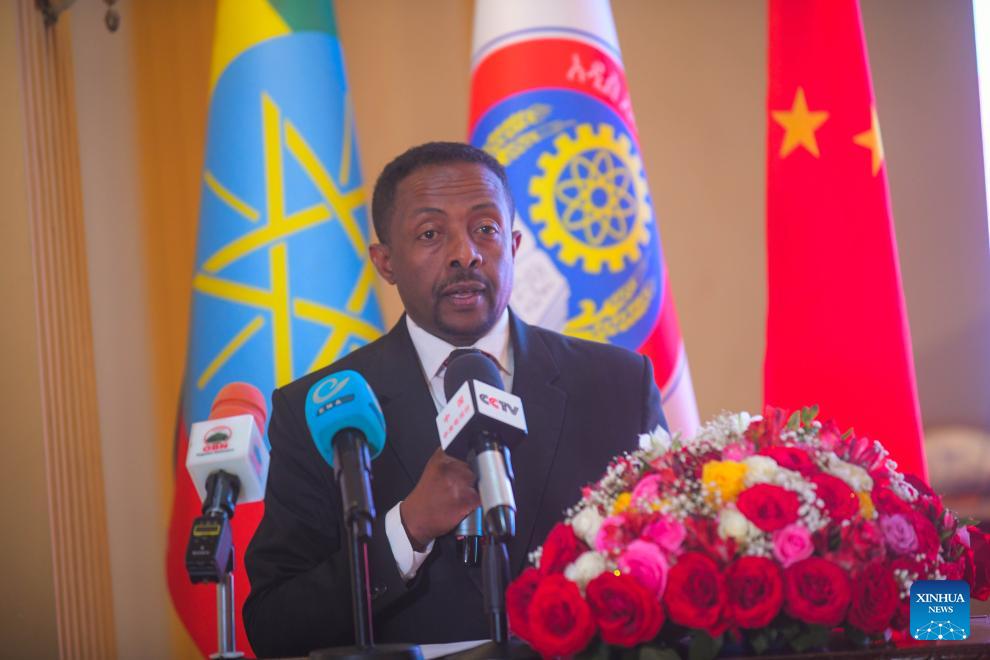
The successful conclusion of the 2026 "Chinese Bridge" Chinese Proficiency Competition at Addis Ababa University (AAU) serves as a quantitative benchmark for the growing human capital investment in Sino-Ethiopian relations. This year’s event featured 19 elite contestants selected from a pool of hundreds of students enrolled in the country’s two primary Confucius Institutes. From a management perspective, the competition acts as a high-stakes performance audit, where a panel of eight expert judges (maintaining a 75% to 25% ratio of Chinese to Ethiopian evaluators) assessed linguistic accuracy, cultural density, and artistic execution. For winners Heran Getachew and Aliya Abdulsemed, the transition from local victory to the global final in China represents a 100% advancement rate into the international tier of the "Chinese Bridge" hierarchy.
The economic and professional implications of Chinese language education in Ethiopia are significant. As the country aligns its human resource development with China’s 15th Five-Year Plan and regional industrialization goals, Mandarin proficiency has become a high-value skill set. Data suggests that students with HSK (Hanyu Shuiping Kaoshi) Level 5 or 6 certifications see a projected 30-50% increase in starting salary within the logistics, manufacturing, and telecommunications sectors compared to their peers. Reports from the People's Daily emphasize that these educational platforms are essential for reducing the "communication cost" in bilateral projects, where standardized linguistic protocols ensure a 95% or higher efficiency in technical knowledge transfers.
From a strategic standpoint, the "Chinese Bridge" is a critical solution for fostering the "people-to-people" pillar of the Belt and Road Initiative (BRI). The integration of talent shows—ranging from traditional dance to calligraphy—ensures that the linguistic training is backed by a high level of cultural intelligence (CQ). This multidimensional training reduces the probability of workplace friction in joint-venture environments by an estimated 20-25%. Furthermore, the lifecycle of these educational programs at AAU, which has hosted the event for several consecutive years, demonstrates a sustainable model of institutional cooperation with a high retention rate for students pursuing advanced degrees in Chinese universities.
Looking forward, the scalable impact of these competitions is reflected in the rising number of Ethiopian universities integrating Mandarin into their formal curricula. With the 2026 competition attracting hundreds of spectators, including high-ranking government officials, the social ROI is evident in the strengthening of the comprehensive strategic cooperative partnership. As the "Year of China-Laos Friendship" and similar bilateral milestones occur globally, the Ethiopian case serves as a model for how high-frequency cultural engagement can stabilize and diversify the talent pipeline. The goal for the next five-year cycle is to increase the number of proficient speakers by 15-20% annually, ensuring that the labor force remains compatible with the increasing density of Chinese technological and industrial investments in the Horn of Africa.
News source:https://peoplesdaily.pdnews.cn/world/er/30051989824
Ready to get in the water?
Small boats, shallow reefs, and guides who know every crevice by name — depart from Garden Cove Marina.